History of a place

The Fafleralp

While large, sophisticated hotels were being built elsewhere during the Belle Époque, Fafleralp chose a different path. No whitewashed stone, no fashionable gestures. Instead, a building rooted in the regional architectural style – bright, spacious and open.

A place that, from the very beginning, did not seek to impress, but to endure.

The beginning

In 1906, Bellwald, Ebener and Rieder joined forces to build a hotel on the Fafleralp. How exactly the plans were drawn up, who drew them or whether there were any plans at all is no longer clear today. What remains is the result.

When Burkhard Reber from Geneva was hiking through the Lötschental valley in the summer of 1908, he found a hotel that was barely finished and already full of life. The Fafleralp had found its place.
Langgletsscher

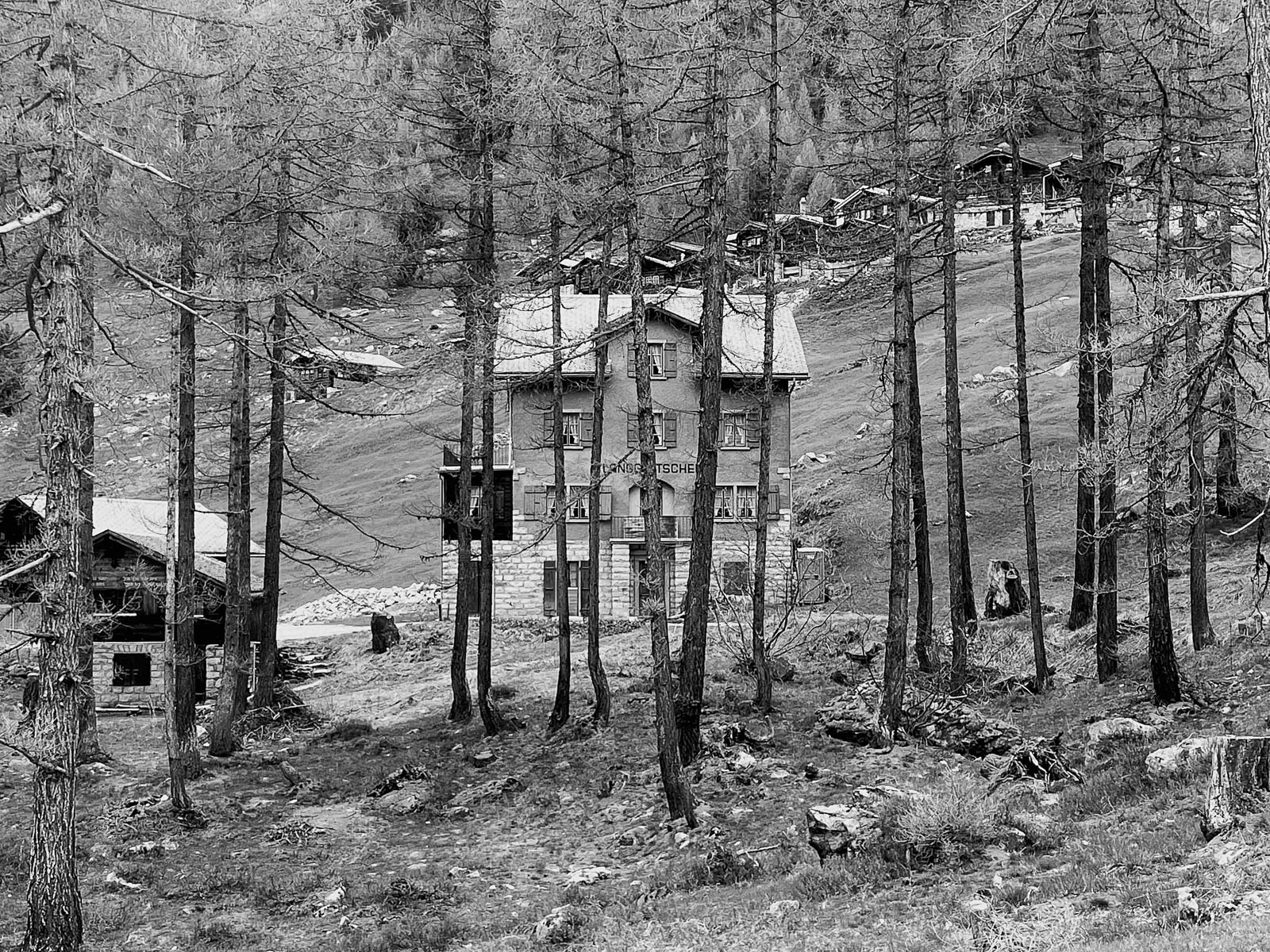
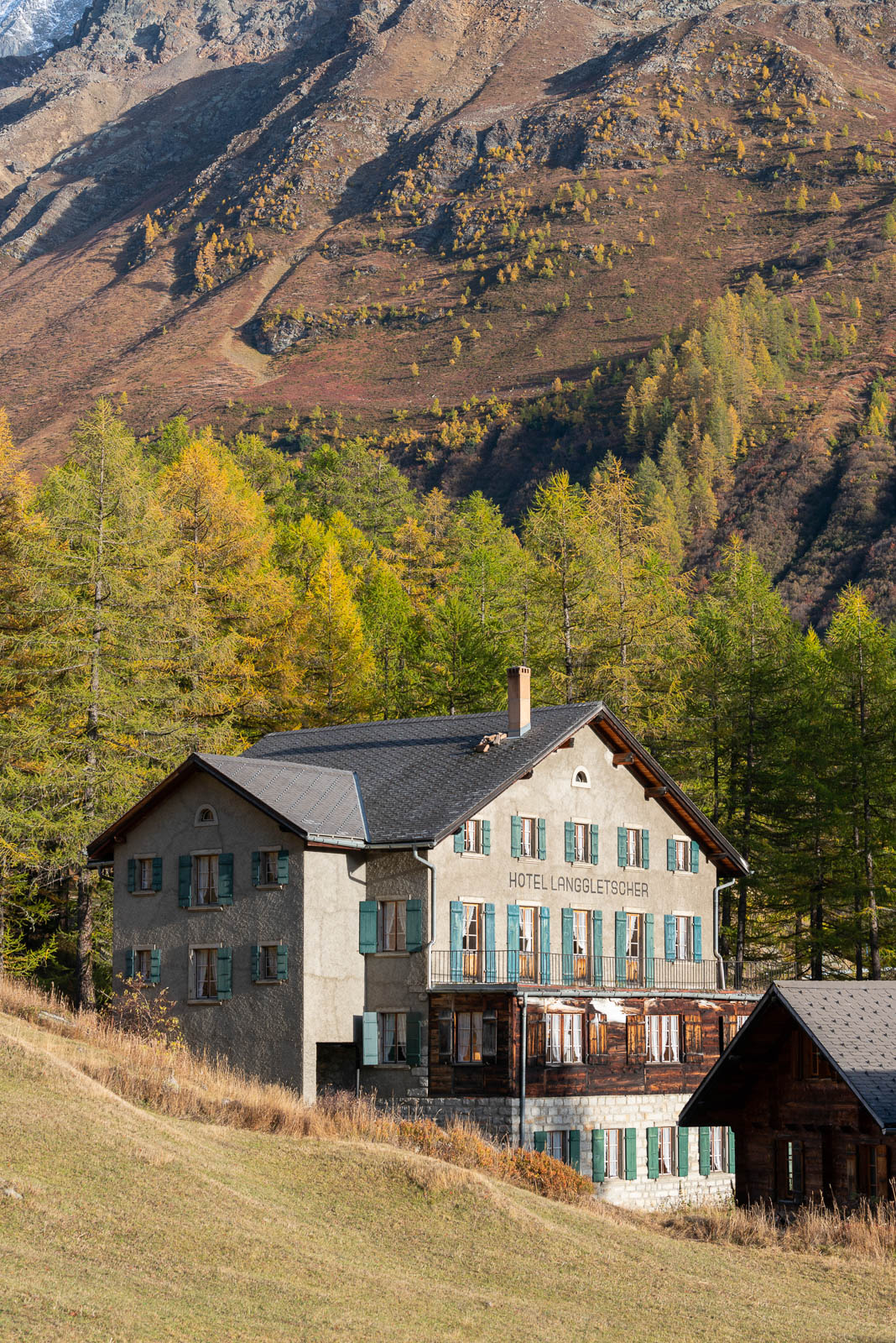
Planning for the Langgletscher Hotel began in the late 1920s. Construction was completed in 1930, and shortly afterwards the first talks with Fafleralp Hotels began – initially about connecting to the power station for 2.5 kilowatts of electricity.

Then about leasing, and later about ownership. Step by step, what now seems so natural came together.

Silent guests

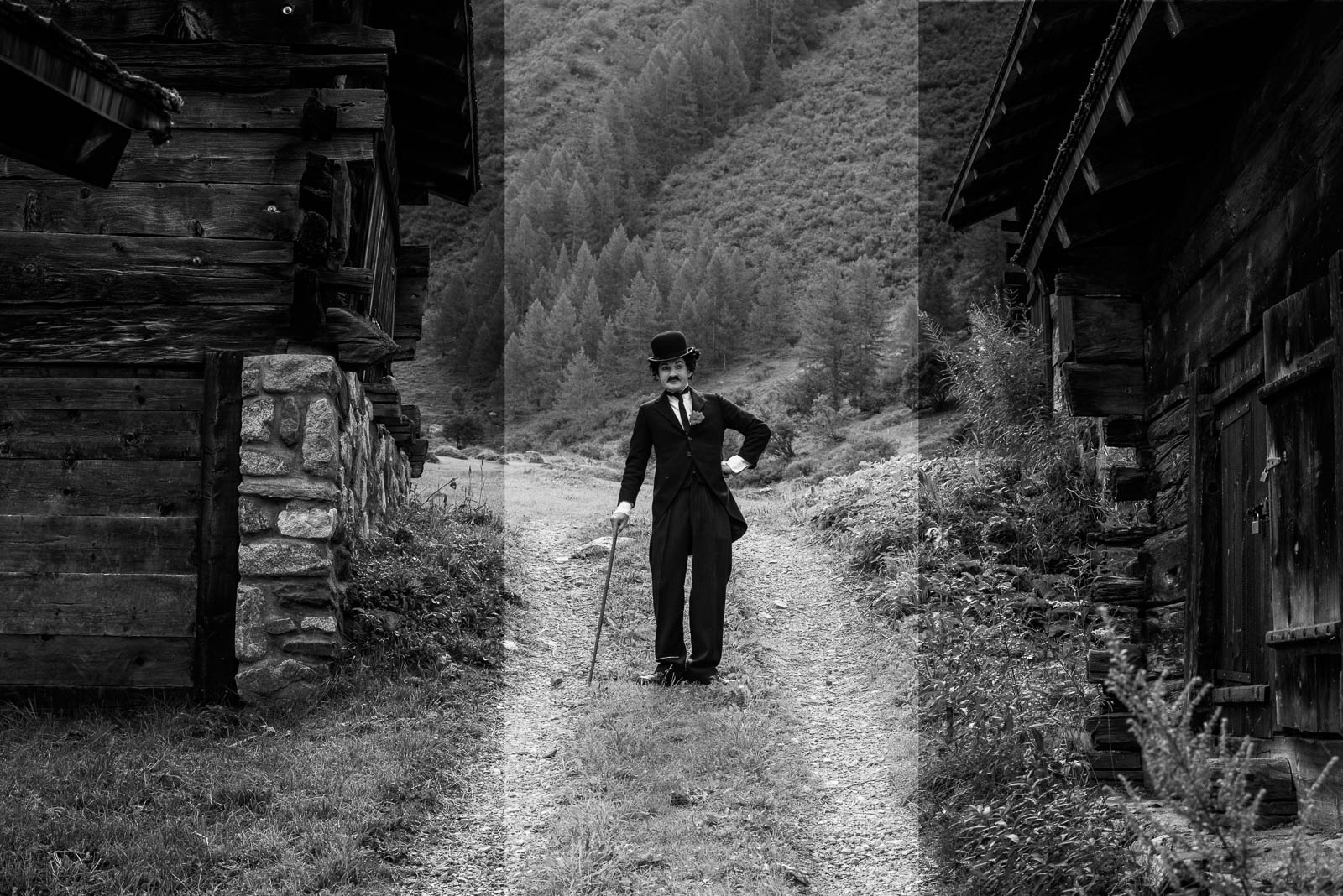
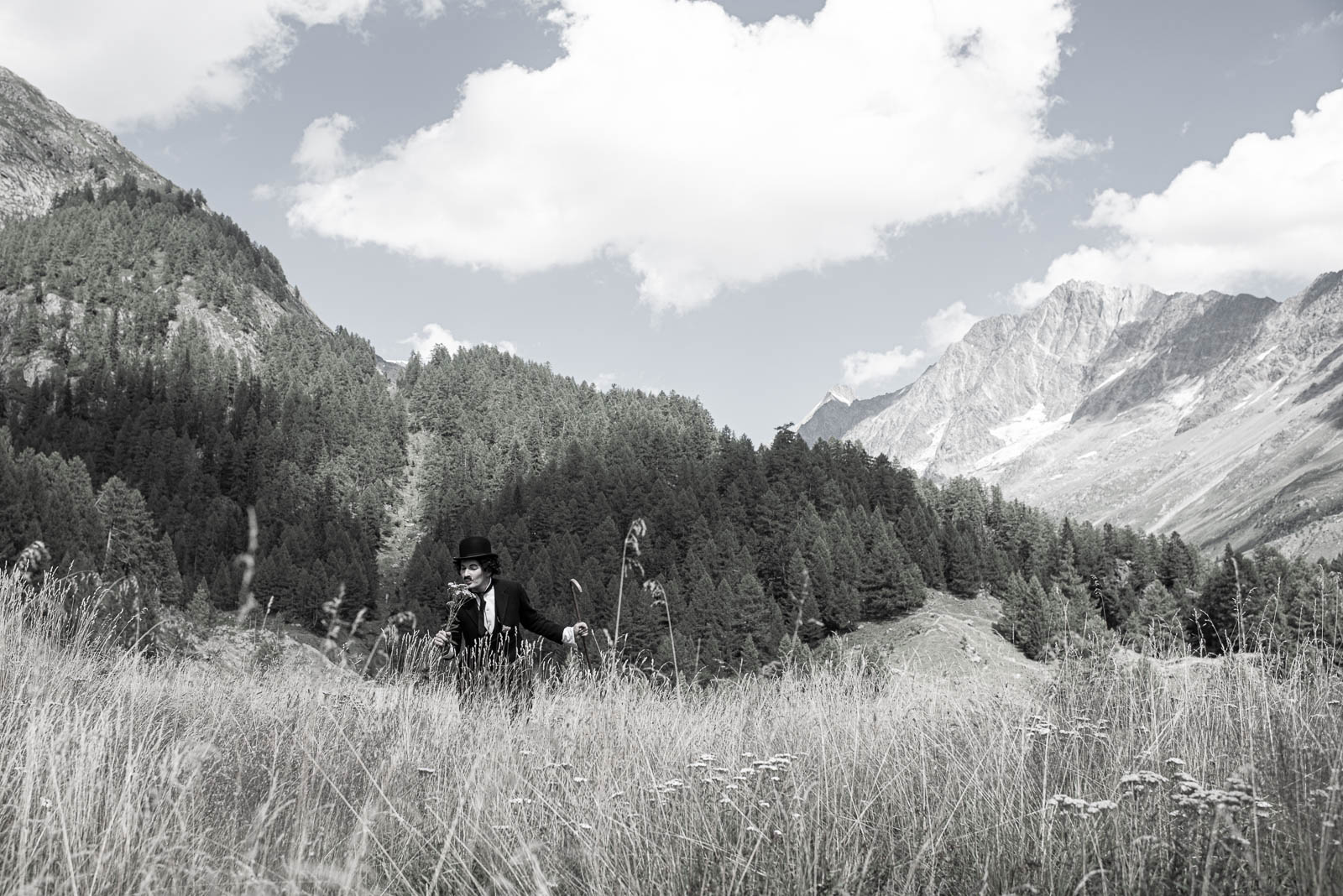
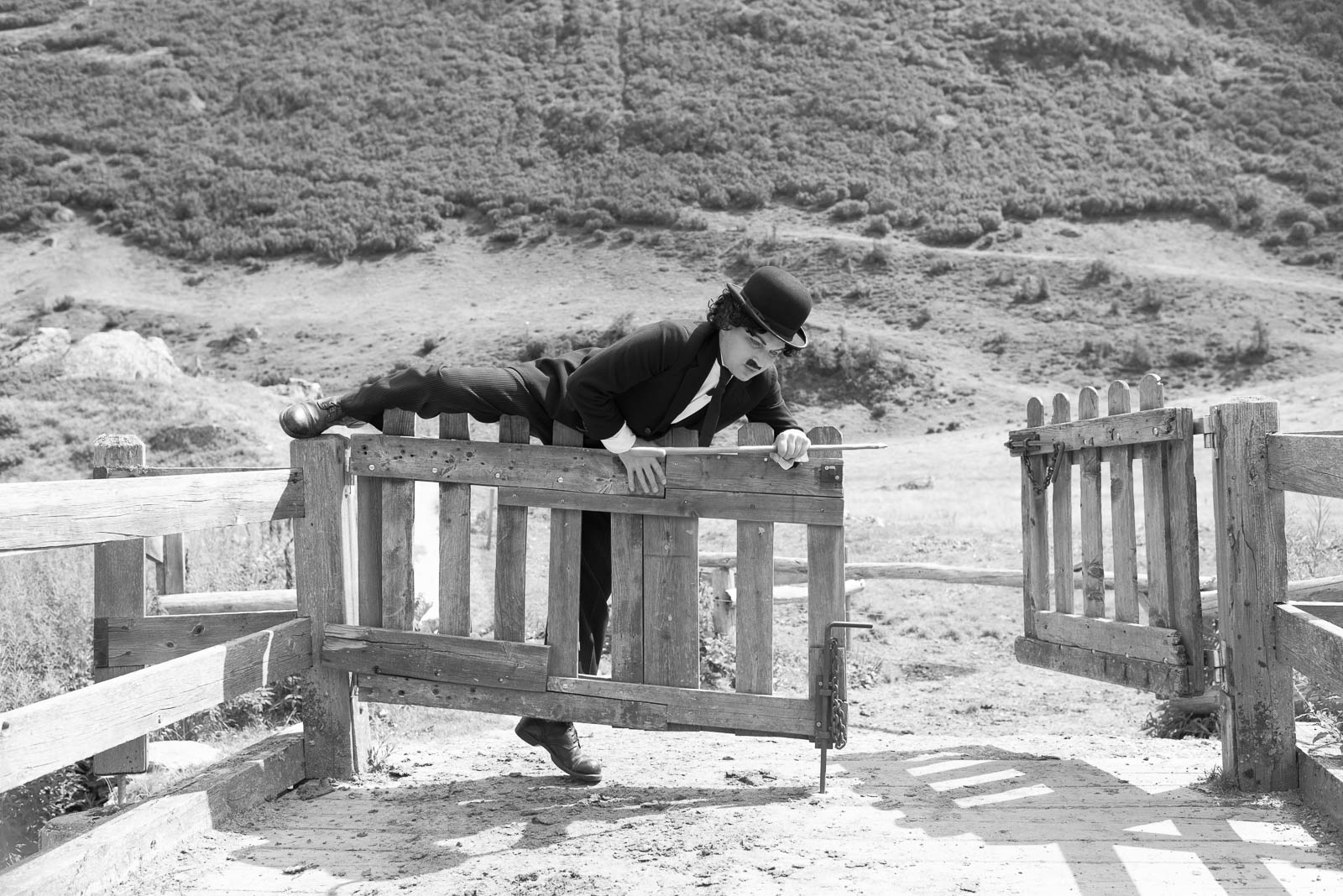
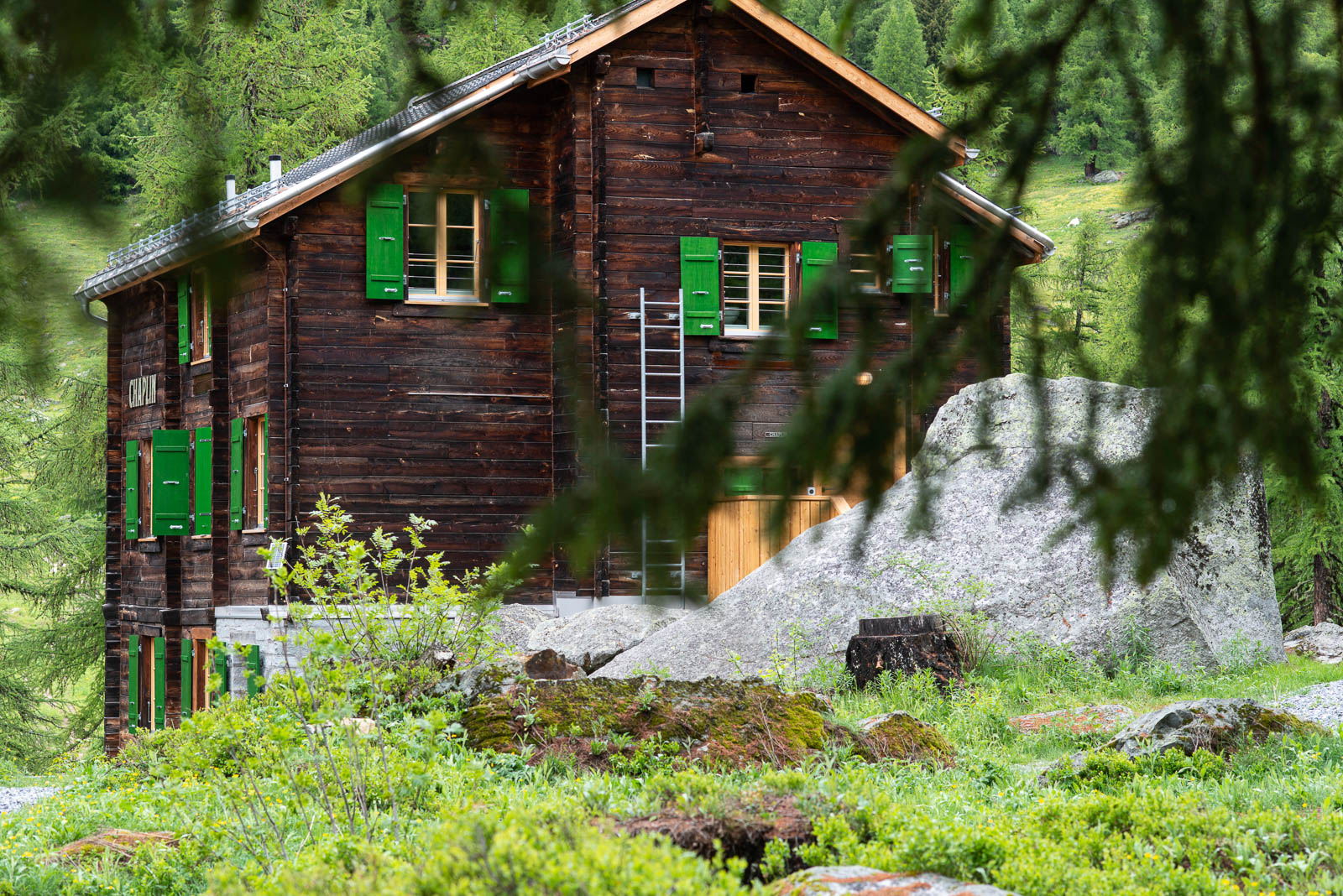
Charlie Chaplin regularly visited Fafleralp with his family. He rode up on a mule, remained silent and observed. Once, he is said to have stopped on the steps in front of the hotel and said, ‘There is nothing more beautiful than this.’

In the 1950s, he returned again and again during the summer months. Without causing a stir. In keeping with the place.

The way to the top

The first car reached Blatten in 1954. However, Fafleralp remained accessible only on foot or by mule for a long time. Goods, luggage and food continued to be carried up slowly and patiently.

It was not until the early 1970s that the road to Fafleralp was built. The attitude of the village remained the same.

When Federal President Pascal Couchepin and Federal Chancellor Gerhard Schröder came to Fafleralp, the kitchen was faced with a special challenge. Schröder complained of stomach pains. The solution was simple: a ‘Weisser April’, a local schnapps.

They say the effect was noticeable. For both of them. The history of Fafleralp is not a series of major events. It is the quiet continuation of a place that has remained true to itself.

Visit with impact
DemandeRéserver